
Beginning with Living Room Color Schemes, the narrative unfolds in a compelling and distinctive manner, drawing readers into a story that promises to be both engaging and uniquely memorable.
Color schemes play a crucial role in transforming a living room into a harmonious and visually appealing space. By selecting the right combinations, you can set the mood and create a cohesive design that reflects your style. Let’s explore the art of color schemes in living rooms and how they can elevate your home decor.
Living Room Color Schemes
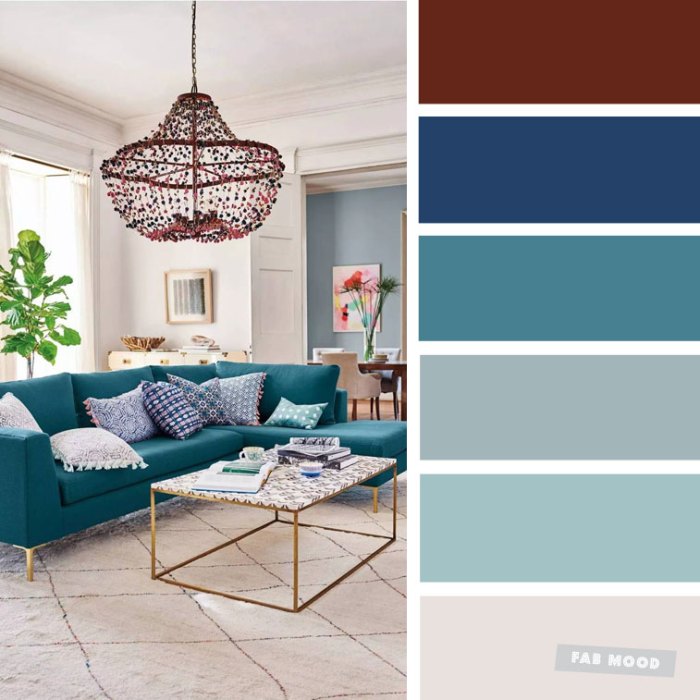
Choosing the right color scheme for your living room is crucial in creating a cohesive and visually appealing design. The colors you choose can set the tone for the entire space and influence the mood of the room.
Popular Color Combinations for Living Rooms
There are several popular color combinations that work well in living rooms:
- Neutral colors like beige, gray, and white paired with a bold accent color such as navy blue or emerald green.
- Earth tones like browns, greens, and terracotta combined with warm neutrals for a cozy and inviting feel.
- Monochromatic color schemes using varying shades of the same color for a sophisticated and harmonious look.
Emotional Impact of Color Schemes
Different color schemes can evoke different moods in a living room:
- Warm colors like red, orange, and yellow can create a sense of energy and warmth, perfect for lively social gatherings.
- Cool colors such as blue, green, and purple have a calming effect, ideal for relaxation and unwinding after a long day.
- Neutral colors like white, beige, and gray provide a sense of balance and versatility, allowing you to easily change up the decor as desired.
Lighting Solutions
Lighting plays a crucial role in enhancing living room color schemes by influencing the way colors appear and creating a certain ambiance. The right lighting fixtures can complement the colors in the room and bring out their best qualities.
Choosing the Right Lighting Fixtures
When selecting lighting fixtures for different color schemes in the living room, consider the following tips:
- For warm color schemes like reds and yellows, opt for warm white or soft yellow lighting to enhance the cozy atmosphere.
- Cool color schemes like blues and greens can benefit from cool white or daylight lighting to create a refreshing and airy feel.
- Neutral color schemes can be versatile with various lighting options, but soft white or daylight bulbs are generally safe choices.
- Consider using dimmable lights to adjust the intensity and create different moods based on the time of day or the occasion.
Natural Light vs. Artificial Light
The source of light in a living room, whether natural or artificial, can significantly impact color perception:
- Natural light tends to be dynamic and can bring out the true colors of the walls and furniture, making the space feel more vibrant and inviting.
- Artificial light, on the other hand, can be controlled to create specific atmospheres but may alter the way colors appear, especially if the light temperature does not match the color scheme.
- Combining natural and artificial light sources can provide a balanced and harmonious lighting environment, allowing for flexibility in adjusting the ambiance based on personal preferences.
Outdoor Furniture
Incorporating outdoor furniture into indoor living spaces can bring a unique and refreshing touch to the room. Outdoor furniture pieces are designed to withstand different weather conditions, making them durable and long-lasting options for indoor use. Additionally, outdoor furniture often features natural materials like wood, rattan, or wicker, which can add a touch of nature to the living room ambiance.
Examples of Outdoor Furniture Pieces
- Rattan Armchair: A rattan armchair can add a cozy and natural element to the living room, blending seamlessly with various decor styles.
- Wooden Bench: A wooden bench can serve as additional seating or a decorative piece, bringing a rustic and earthy feel to the space.
- Metal Bistro Table: A metal bistro table can be used as a coffee table or a side table, adding an industrial touch to the living room design.
Adding a Touch of Nature
Outdoor furniture pieces like plant stands, wooden coffee tables, or wicker chairs can bring a touch of nature indoors. The use of natural materials and earthy tones in outdoor furniture can create a calming and organic atmosphere in the living room, enhancing the overall sense of relaxation and comfort.
Outdoor Spaces and Patio Furniture
When it comes to extending your living room color schemes to outdoor spaces, it’s essential to create a seamless transition between the two areas. Coordinating patio furniture colors with your indoor living room colors can help create a cohesive design flow and enhance the overall look of your home.
Extending Living Room Color Schemes Outdoors
One way to extend your living room color schemes to outdoor spaces is by using similar color palettes. For example, if your living room features neutral tones like beige and grey, consider incorporating these colors into your outdoor furniture and decor. This will create a harmonious connection between the indoor and outdoor areas.
Coordinating Patio Furniture Colors
When choosing patio furniture colors, it’s important to consider the color scheme of your indoor living room. Opt for furniture hues that complement or match the colors used inside your home. This will help create a cohesive look and make the transition between indoor and outdoor spaces seamless.
Creating a Cohesive Design Flow
To achieve a cohesive design flow between indoor and outdoor living areas, consider using accent colors that are present in both spaces. This could be done through throw pillows, rugs, or accessories that tie the two areas together. Additionally, using similar materials or textures in both spaces can help create a unified look throughout your home.
In conclusion, mastering the art of living room color schemes can truly revitalize your space. By understanding the impact of colors and how they interact with lighting, furniture, and outdoor elements, you can create a living room that is both inviting and stylish. Experiment with different combinations, embrace your creativity, and watch your living room come to life with color harmony.
Questions and Answers
How do color schemes affect the mood in a living room?
Color schemes can influence the ambiance of a living room. For example, warm tones like red and orange create a cozy atmosphere, while cool tones like blue and green evoke a sense of calmness.
What are some popular color combinations for living rooms?
Popular color combinations include neutral shades like beige and white, bold pairings like navy and mustard, and complementary colors like blue and orange.
Why is it important to coordinate patio furniture colors with indoor living room colors?
Coordinating colors between indoor and outdoor spaces creates a seamless transition and enhances the overall design flow of your home.


